Beyond the Bouchon
Lyon's new wave of chefs are reimagining tradition without forgetting their roots...
Editorial Issue № 8
France's gastronomic capital, curated by those who know it best.
4,088+ venues · Grand Lyon
Lyon's new wave of chefs are reimagining tradition without forgetting their roots...
The hilltop neighborhood's morning markets remain the city's best-kept secret...
11 areas to discover
Standout places selected by our editorial team
A genuine speakeasy hidden behind a vintage chocolaterie in Vieux Lyon — coffee up front, cocktails in a 1920s stone vault out back, and a flawless 5.0 rating to match.
A German-inspired speakeasy where every cocktail arrives in antique cut glass — the Black Forest Old Fashioned alone is worth the trip.
Fresh house-made injera and deeply spiced Ethiopian stews served in a warm, communal setting — Lyon's most authentic taste of Addis, no gimmicks.
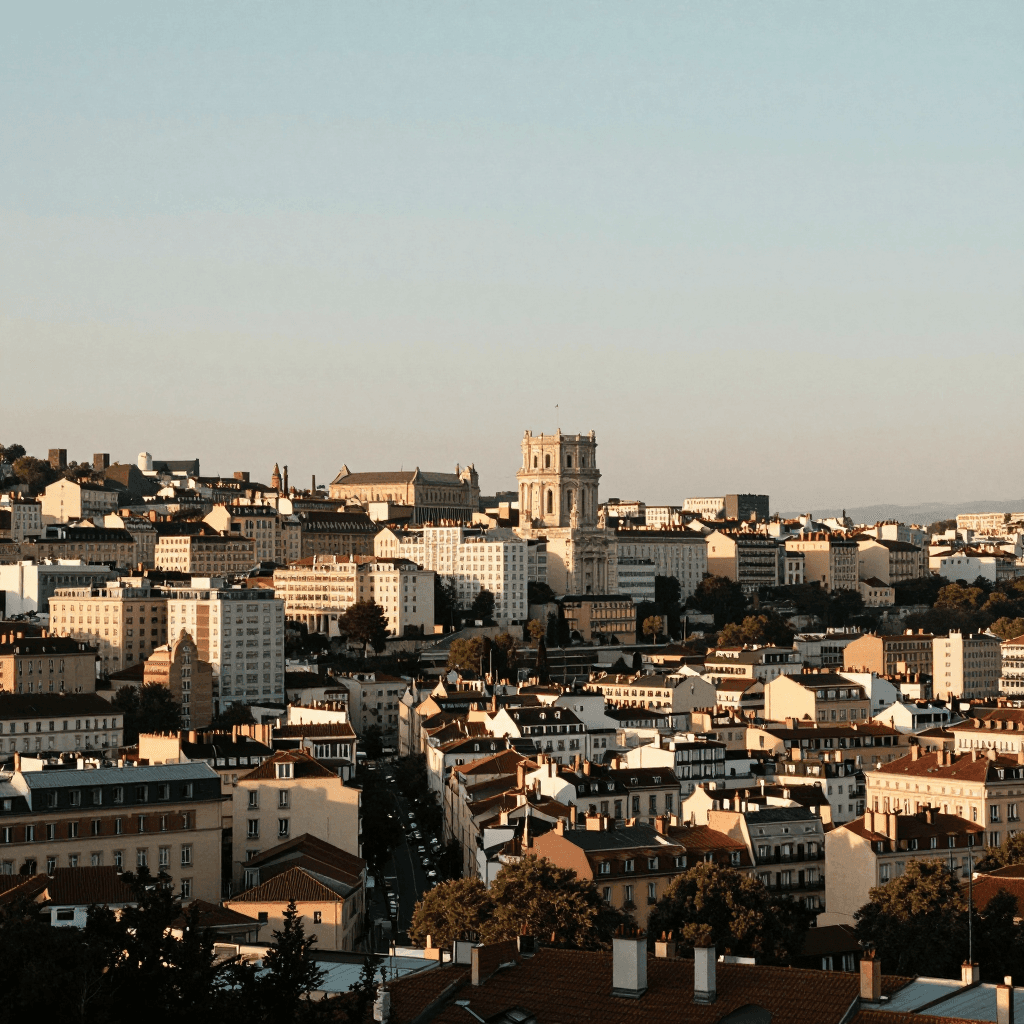
Lyon's most breathtaking panorama is hiding behind a parking lot on Fourvière hill — and almost no tourist finds it.
A craft beer bar, specialty coffee shop, and moto workshop rolled into one — Kargo Kulte is Lyon's most gloriously unconventional hangout, rated 4.8 by nearly 400 regulars.
No sign, no name — just a hidden door on rue Hippolyte Flandrin leading to a vintage-stuffed cocktail bar where classic drinks and brocante charm meet unbeatable prices.
Editorial and community notes
Mère Brazier
Walking into Mère Brazier feels like stepping into a chapter of French culinary history. The 1920s decor — stained glass, period woodwork, soft lighting — hasn't been preserved as a museum piece but as a living, breathing dining room where the atmosphere is hushed yet warm. This is where Eugénie Brazier built her empire, becoming the first woman to earn three Michelin stars (twice, in fact), and the weight of that legacy is felt in every detail, from the impeccable service to the carefully curated menu. Chef Mathieu Viannay, a Meilleur Ouvrier de France, took the reins in 2008 and has done something remarkable: he respects the Brazier legend without turning the kitchen into a time capsule. The Eugénie Brazier menu (around €185 for 5 courses) is the way to go — you'll encounter refined versions of Lyonnais classics, with the poularde de Bresse being a standout. The brochet, another Brazier signature, is treated with the same reverence. Dishes are precise, deeply flavored, and never fussy for the sake of it. At 4.8 stars across nearly 1,600 Google reviews, the consensus is clear: this is one of the finest dining experiences in Lyon, and arguably in France. It's not cheap, but for a two-Michelin-starred meal in a room this historic, it feels justified. Book well in advance — this isn't a walk-in kind of place — and go hungry.
Daniel et Denise
If you want to understand what a Lyonnais bouchon is really about, Daniel et Denise Saint-Jean is one of the most reliable places to start. Chef Joseph Viola — a Meilleur Ouvrier de France, which is no small thing — runs four establishments across Lyon, but this one on rue Tramassac, a stone's throw from the cathedral, feels the most authentically rooted in the old town. The decor is charmingly old-fashioned: checkered tablecloths, vintage bric-a-brac on the walls, small rooms with limited seating. It's the kind of place that almost looks like a Hollywood set of a French restaurant — except the food is genuinely good. The menu hits all the bouchon classics. The quenelle de brochet with crayfish sauce is the standout — silky, rich, and properly executed, not the dense, rubbery version you get in lesser places. The tablier de sapeur (breaded tripe) is another highlight, crispy outside and tender within, and the pâté en croûte is worth ordering as a starter. Finish with pralines or a tart for the full experience. Portions are generous, as they should be in a bouchon. The main drawback is location — being in the heart of Vieux Lyon means it gets a steady stream of tourists, and the staff can feel rushed during peak hours. But unlike many of the bouchons lining rue Saint-Jean that exist purely to separate visitors from their money, Daniel et Denise has a real chef in the kitchen and the Bouchons Lyonnais quality label to back it up. Book ahead, especially on weekends, and go for the lunch menu if you want better value.
L'Établi
L'Établi is the kind of place that reminds you why Lyon is France's true food capital. Tucked into the Carnot-Gailleton area just off Bellecour, this bistronomic restaurant has built a devoted following — and it's easy to see why. The menu changes with the seasons, leaning into fresh, market-driven ingredients with a Mediterranean undercurrent that keeps things interesting without ever feeling fussy. Dishes are creative but grounded; you'll find refined technique applied to honest, recognizable flavors. The 4.7 rating across hundreds of reviews on both Google and Tripadvisor tells you the consistency is real, not a fluke. What sets L'Établi apart is the atmosphere. The room is intimate and warmly lit — the kind of place where you can have a proper conversation without shouting. Service is attentive and genuinely welcoming, with staff happy to guide you through the menu in French or English. It's been recognized by both Gault & Millau and Fooding, which tells you the food world takes it seriously, but there's zero stuffiness here. You'll feel as comfortable in jeans as you would dressed up for a celebration. Go for lunch during the week if you want a quieter experience, or book a dinner Tuesday through Saturday for the full effect. Reservations are recommended — this isn't a secret anymore, and the small dining room fills up fast. At this quality level, the pricing is remarkably fair, which only adds to the appeal.
Maison des Canuts
If you want to understand Lyon's soul, you need to understand silk, and the Maison des Canuts is the most direct route in. Tucked into the Croix-Rousse — the historic hilltop neighborhood where canuts (silk weavers) once lived and worked — this small atelier-museum doesn't try to be flashy. It's two rooms stuffed with antique wooden looms, punch cards, ribbons, and the tools of a trade that shaped the city for five centuries. The star attraction is the Jacquard loom, and when a guide fires it up, the rhythmic clatter fills the room — it's genuinely thrilling and, yes, loud, so don't expect a quiet contemplative museum experience. The real value here is in the guided tour. Multiple reviewers say the same thing: go with a guide, not alone. The demonstrations bring the looms to life, and the guides explain not just the technical craft but the social history — the canut revolts of the 1830s, the grueling working conditions, the fight for fair wages. You'll leave with a much deeper appreciation for the slopes of the Croix-Rousse and the traboules (hidden passageways) that connect them. It's not a big museum — you can see everything in about an hour — and it's closed on Sundays, which catches people off guard. Go on a weekday morning when it's quieter, and you'll likely get a more personal demonstration. For anyone interested in textile history, industrial heritage, or just understanding what makes Lyon tick, this is essential.