Explore
Editorial Issue № 1
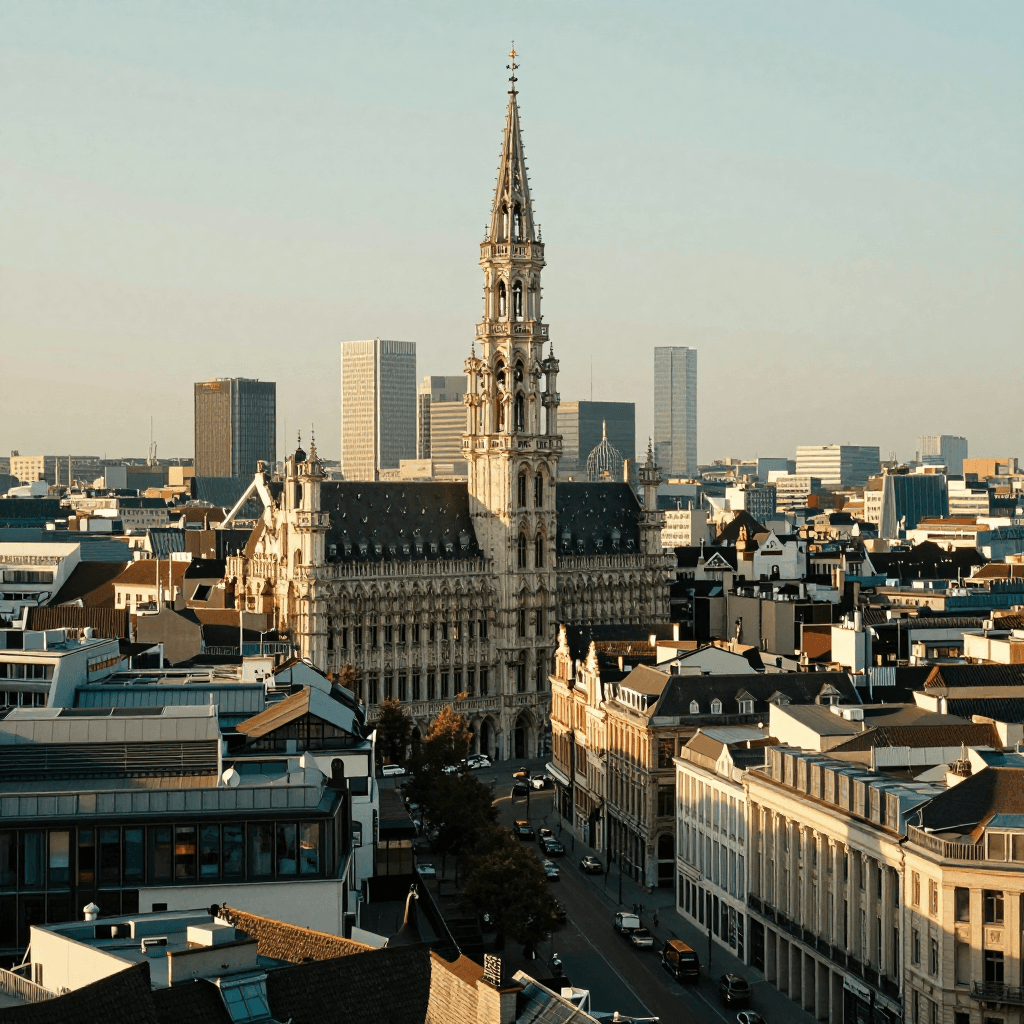
The Brussels Perspective.
Discover the best spots, curated by locals.
4,830+ venues · Brussels-Capital
Explore Brussels-Capital
13 areas to discover
Featured Places
Standout places selected by our editorial team
Editor Pick
Barge
special occasionsdate nightfoodie experiences
€€€€
Editor Pick
Bozar Restaurant
special occasionsromantic dinnersfoodie experiences
€€€€
Comme Chez Soi
special celebrationsromantic dinnersgastronomic experiences
€€€€
Eliane
special occasionsfoodie adventureschef's table experience
€€€€
Entropy
special-occasion dinnerssustainable dining enthusiastsdietary-restricted diners
All profits go to fighting food waste, all diets are welcome, and the tasting menus still earn a 9.6/10 — purpose-driven dining that actually delivers on the plate.
€€€€
La Bonne Chère
special occasionsdate nightfoodie adventures
€€€€
Lil'Bouche
coffee tastingmorning ritualsolo work
€€€€
Moeder Lambic Fontainas
beer pilgrimagesafter-work drinksweekend afternoons on the terrace
Cantillon and 3 Fonteinen on tap, a rotating lambic encyclopedia, and staff who guide you without snobbery — this is why Belgium's beer culture is UNESCO-recognized.
€€€€
Recent Reviews
Editorial and community notes
C
City InsidersEditorial★ 4
L'Archiduc
There's a reason L'Archiduc has been called the coolest bar in Belgium. You don't just walk in — you ring a bell, spin through a bank-vault-style revolving door, and emerge into a stunning Art Deco room with high ceilings, a half-moon balcony, pillars reaching to the roof, and a piano sitting right in the middle. It's been pouring drinks since 1937, and the place hasn't lost a gram of its character. The crowd is a mix of architects, intellectuals, artists, and people who simply appreciate a good cocktail in a room that feels like it belongs in a Simenon novel. The cocktails are the main draw, and they're genuinely well-made — the George Simenon (their signature), the Sazerac, and the Pisco Sour all earn their keep. They also pour Gueuze and Kriek Cantillon, which is a nice touch for beer purists. The catch? Prices are steep, even by Brussels standards. You're paying for the atmosphere, and honestly, it's worth it for a special night out. Where L'Archiduc really shines is the live jazz. Every Saturday and Sunday at 5pm, musicians take over the room and the place transforms. It's intimate, it's acoustic, and it's the kind of experience you can't replicate many places in Brussels. Go early on weekends to grab a spot near the piano, and don't expect a cheap tab — but do expect one of the most memorable drinks you'll have in the city.
C
City InsidersEditorial★ 4
Musée Magritte Museum
If you have even a passing interest in surrealism, the Magritte Museum is the single best art stop you can make in Brussels. The collection — around 200 works including paintings, drawings, gouaches, and personal archives — is the most comprehensive anywhere, and the chronological layout lets you watch Magritte's deadpan visual language develop in real time. Reviewers consistently praise how the works are arranged to tell the story behind the paintings, which makes the experience feel curated rather than just a room-by-room dump of canvases. You'll see the bowler hats, the pipes, the cloud-filled skies, and the unsettling juxtapositions Magritte is famous for — but also lesser-known periods like his Renoir-inspired "sunny" wartime style. Plan for about 90 minutes to two hours if you want to take it at a leisurely pace. The museum is housed in the neoclassical Algarve Palace building on Place Royale, part of the Royal Museums of Fine Arts of Belgium, and you can buy a combined ticket that also gets you into the Old Masters Museum next door — good value if you want to make a full day of it. The audio guide is worth picking up, especially if you're not deeply familiar with Magritte's biography, and there are dedicated versions for children and teenagers. The on-site shop is genuinely excellent for Magritte-themed gifts and prints. A few practical notes: the museum can get busy on weekends and during tourist season, so weekday mornings are your best bet for a quieter visit. Some reviewers mention that certain rooms feel dimly lit — this is intentional, to protect the works, but it's worth knowing. The café situation is minimal, so grab coffee elsewhere before or after. Overall, this is a well-run, focused museum that delivers exactly what it promises, and it's an essential Brussels experience.
C
City InsidersEditorial★ 4
Les Brigittines
If you want to understand what Brussels eating is really about, skip the tourist traps near the Grand Place and walk ten minutes south to Place de la Chapelle. Les Brigittines occupies a former Art Nouveau post office, and the moment you step inside — all polished dark wood, old-world charm, and the hum of a dining room that takes its food seriously — you get it. This is the kind of place where the chef, Dirk Myny, is a Brussels native cooking the dishes he grew up with, just done with more precision and care than your grandmother ever managed. The vol-au-vent is the headline act, and it delivers: a golden pastry shell filled with a creamy sauce studded with morel mushrooms that tastes like the best version of a dish you thought you knew. But don't sleep on the seasonal menu — Myny works with locally sourced ingredients and the daily suggestions are often where the kitchen shines brightest. The wine cellar is genuinely exceptional, and the staff know it inside out, so ask for pairings rather than defaulting to the house red. Local Belgian beers also feature prominently, as they should. It's not cheap — this is a €€€ establishment — but you're paying for craftsmanship and a room with real soul. The big catch: they're closed weekends and holidays, so this is a weekday lunch or dinner play. Book ahead for lunch, when the Marolles crowd of dealers, lawyers, and locals fills the room and the atmosphere is at its best.
C
City InsidersEditorial★ 5
Moeder Lambic Fontainas
If you care about beer — and I mean really care — Moeder Lambic Fontainas is your first stop in Brussels. The tap list is a rotating encyclopedia of Belgian brewing, with a heavy emphasis on sour ales, gueuze, and lambic. You'll regularly find Cantillon and 3 Fonteinen pouring alongside lesser-known gems from small breweries. The staff are genuinely passionate and will guide you through the list without a hint of snobbery, even if you're still learning the difference between a faro and a gueuze. The space itself is all dark wood and warm lighting, with a long bar that fills up fast on weekends. It sits right on Place Fontainas, which means you can take your beer out to the terrace when the weather cooperates. The crowd is a great mix of locals, expats, and beer tourists who've done their homework — conversation flows easily between tables. Grab a cheese plate to soak up the sour beer; it's a simple affair but exactly what you need. Prices are fair for what you're getting — around €4 a pint for standard pours, more for the rare stuff — and the bar is open every day. Go early on weekends if you want a seat, especially Friday and Saturday evenings when the place gets properly packed. This is the kind of bar that makes you understand why Belgium's beer culture is UNESCO-recognized.
Neighborhoods
Quartier du Centre - Centrumwijk427 placesLaeken - Laken207 placesQuartier des Quais - Kaaienwijk159 placesQuartier Marais-Jacqmain - Wijk Marais-Jacqmain131 placesQuartier des Libertés - Vrijheidswijk120 placesMarolles - Marollen104 placesQuartier Saint-Géry - Sint-Gorikswijk103 placesMatongé102 places