Shoreditch After Hours
Three new openings redefining the late-night scene in East London...
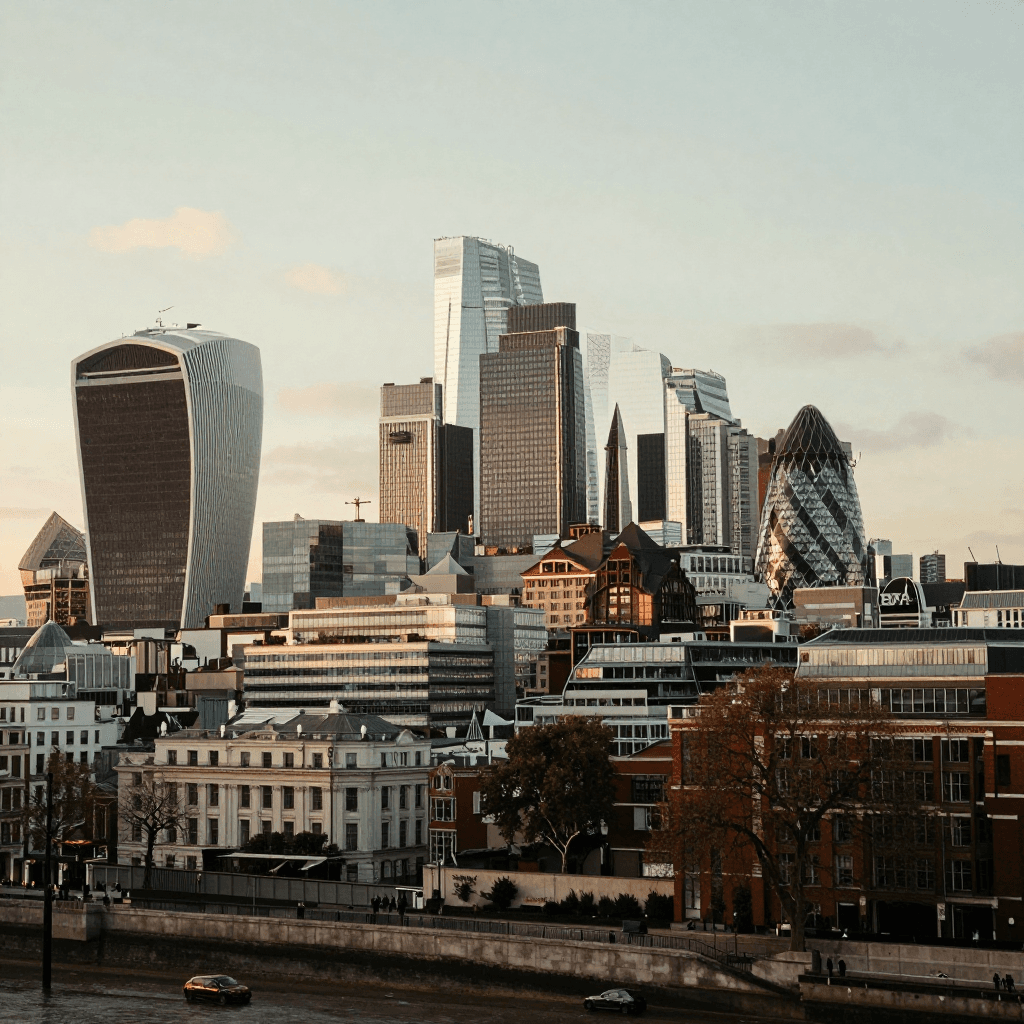
Editorial Issue № 42
The urban curator's definitive guide to the capital's evolving soul.
31,564+ venues · Greater London
Three new openings redefining the late-night scene in East London...
Why sunset drinks on Mare Street have become the city's best ritual...
35 areas to discover
Standout places selected by our editorial team
A thousand-year-old food market where Britain's best producers sell pristine oysters, artisanal cheeses, and world-class street food under historic iron arches.
Stand on the Prime Meridian at the Royal Observatory and take in what may be London's finest free skyline panorama — the Thames, Canary Wharf, and 2,000 years of history at your feet.
A Japanese garden with waterfall and koi, peacocks roaming freely, and opera among ruins — all in one of London's most beloved 22-hectare green spaces.
London's grandest royal park: swim the Serpentine, hear radicals at Speakers' Corner, picnic where kings once hunted.
Over 2,300 Western European masterpieces from 1250–1900, free to visit, on Trafalgar Square — Van Gogh's Sunflowers and Turner's Temeraire under one roof.
Editorial and community notes
Tate Modern
Tate Modern is the kind of place that makes you feel like London actually gets modern art right. The building itself — a decommissioned oil-fired power station designed by Sir Giles Gilbert Scott — is half the experience. You walk in through that massive Turbine Hall and immediately feel the scale of what this place can do. The hall hosts rotating large-scale installations that have become cultural events in their own right; some are breathtaking, some are divisive, but they always get people talking. The free permanent collection is genuinely world-class. You'll find Rothko's searing colour fields, Warhol's pop icons, Picassos, Dalís, and a whole room of Matisse cut-outs — and that's just scratching the surface. The collection is arranged thematically rather than chronologically, which sounds like a gimmick but actually works brilliantly, letting you stumble across unexpected juxtapositions. Head up to the viewing platform on the 10th floor of the Blavatnik extension for one of the best free panoramas of the London skyline. The main gripe? It gets crowded — really crowded — especially on weekends and during school holidays. The galleries can feel packed, and the flow through the older building isn't always intuitive. Go early on a weekday morning if you can, or try Friday late openings when the atmosphere is calmer and the building feels almost intimate. Skip the overpriced café and grab a coffee from the street-level espresso bar instead.
National Gallery
Let's be honest: with a 4.8 rating from over 62,000 Google reviews, the National Gallery isn't exactly a secret. But what surprises most first-timers is just how approachable it is. There's no intimidating velvet rope energy here — you walk right in off Trafalgar Square, gratis, and suddenly you're standing inches from a Van Gogh. The collection spans from 1250 to 1900, covering the full sweep of Western European painting, and it's arranged so intuitively that you can wander room to room and feel a loose narrative unfolding. The highlights are well-documented — Van Gogh's "Sunflowers," Turner's "The Fighting Temeraire," Botticelli's "Venus and Mars," Holbein's "The Ambassadors" with its famous anamorphic skull — but the real joy is in the rooms nobody talks about. The Sainsbury Wing's early Renaissance collection is quietly stunning, and the Dutch still-life rooms are a masterclass in how much drama you can pack into a bowl of fruit. If you're short on time, grab a floor plan and target the East Wing for the Impressionists and Post-Impressionists — that's where most visitors end up anyway. The building itself is worth the trip. The grand portico facing Trafalgar Square is one of the most photographed facades in London, and the central atrium with its mosaic floors by Boris Anrep is a lovely spot to pause. Weekends get crowded — very crowded — so if you want a contemplative experience, go on a weekday morning right when doors open. The café in the crypt of St Martin-in-the-Fields next door is a better-value lunch stop than the in-house options. And yes, it's free, but consider dropping a few pounds in the donation box — this place runs on generosity.
Holland Park
Holland Park is the kind of place that makes you forget you're in one of the busiest cities in Europe. The star attraction is undoubtedly the Kyoto Garden — a beautifully crafted Japanese garden with a cascading waterfall, koi-filled pond, and stone lanterns that look like they've been there for centuries (they haven't, but who's counting). It's small enough to walk around in a few minutes, but most people linger far longer. Go early on a weekend morning if you want it to yourself — by midday, especially in summer, it gets busy with photographers and families. Beyond the Kyoto Garden, there's plenty to explore: the Dutch Garden with its formal flower beds, the woodland walks that feel surprisingly wild for central London, and the ruins of Holland House, which now serve as an open-air opera venue in summer. The peacocks that roam freely around the park are a beloved fixture — keep an eye on your snacks. There's also a cricket pitch, tennis courts, and a café near the entrance if you need a break. With 15,000+ reviews averaging 4.7 stars, this isn't a secret — but it's large enough that you can always find a quiet corner.
Trent Park
Trent Country Park is one of north London's best-kept green secrets — 413 acres of ancient woodland, rolling meadows, and lakes on the Enfield border that make you genuinely forget you're still in the city. The walking trails wind through dense forest that opens up into sunny clearings, and there's a lovely circular route that takes you past the historic mansion and down to the water. If you're into running, the trails here are some of the best in north London — varied terrain, plenty of shade in summer, and never as packed as Hampstead Heath. There's more here than just walking. The animal sanctuary is a hit with families (entry's about £4.50 for adults), and the butterfly meadow is worth seeking out in summer. Wildlife is abundant — look out for Muntjac deer, kingfishers, and mandarin ducks on the lakes. The café near the main entrance is a solid post-walk stop for coffee and cake, with outdoor seating and a dog-friendly policy. The Grade II listed Trent House, surrounded by statues, lime trees, a Japanese water garden, and the medieval Camlet Moat, adds a layer of history you don't expect from a London park. What really sets Trent apart is the sense of space. Even on a busy weekend, you can find a quiet corner in the woods or a spot by the lake where it's just you and the birds. Oakwood station on the Piccadilly Line is right nearby, and there's parking if you're driving. The park is open during daylight hours, so plan accordingly. Come for a morning walk, bring the dog, pack a picnic — just don't expect to want to leave.