Explore
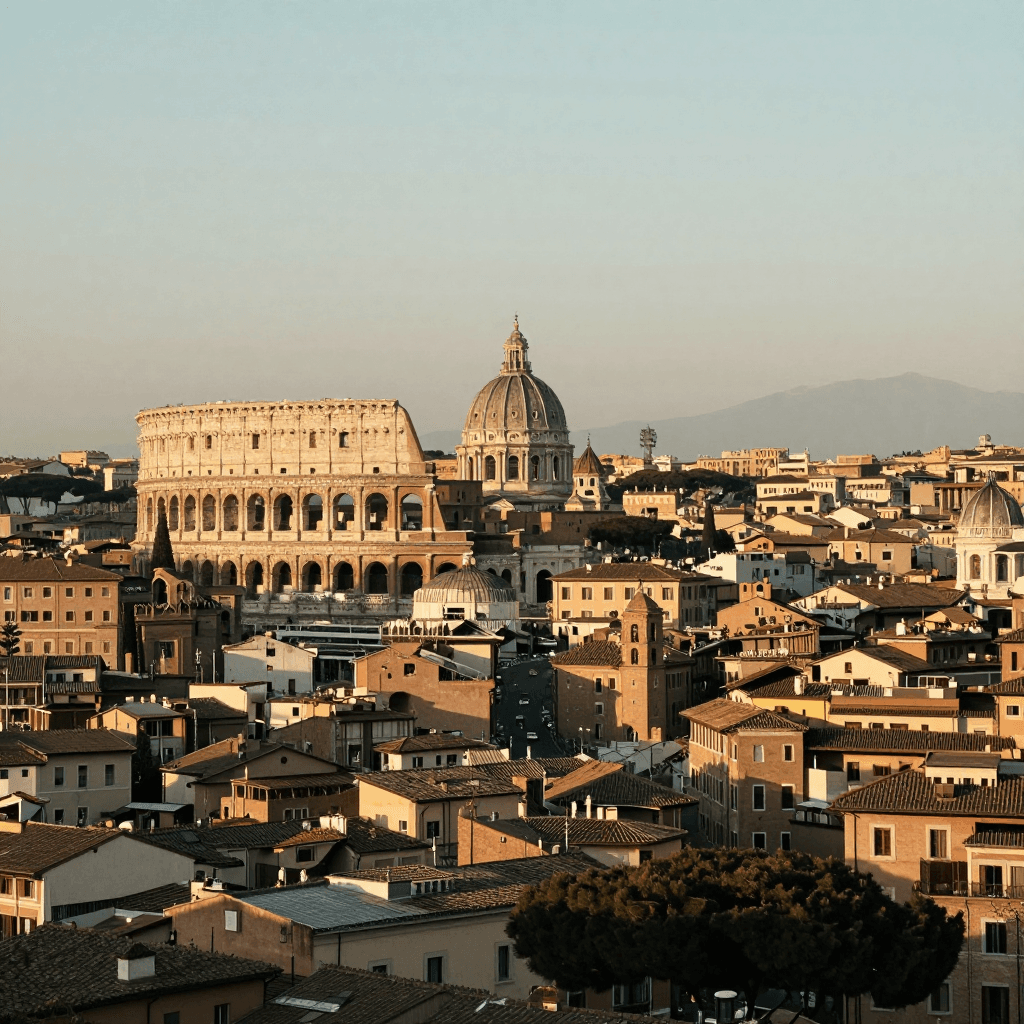
Editorial Issue № 1
The Rome Perspective.
Discover the best spots, curated by locals.
Featured Places
Standout places selected by our editorial team
Editor Pick
Achilli Enoteca al Parlamento
special occasionswine enthusiastsromantic dinners
€€€€
Editor Pick
All'oro
special-occasion dinnersbusiness lunchesdate night
A Michelin-starred kitchen where chef Di Giacinto rewrites Roman classics like carbonara with surprising flair — and the lunch menu at 18€ is the best fine-dining deal in Rome.
€€€€
Enoteca La Torre
date nightspecial occasionswine enthusiasts
€€€€
Il Convivio Troiani
special occasionsromantic dinnerswine enthusiasts
€€€€
Il Dammuso
dinner with friendsdate nightregional food lovers
A Sicilian island escape in Rome's Nomentano, where arancine, cannoli, and Sicilian wines earn a near-perfect 4.9 from locals.
€€€€
Il Pagliaccio
special occasionscelebration dinnerssplurge-worthy dining
Two Michelin stars, chef Genovese's bold Italian-Asian fusion, and an exclusive private dining "Parallels Experience" make this one of Rome's most ambitious tables.
€€€€
Jerry Thomas Speakeasy
date nightcocktail enthusiastslate-night drinks
A password-protected Prohibition-era basement near Campo de' Fiori serving some of the finest cocktails in Italy — ranked 9× in the World's 50 Best Bars.
€€€€
La Pergola
special occasionscelebration dinnerssplurge-worthy dining
Rome's only three-Michelin-star restaurant, where Heinz Beck's refined Mediterranean cuisine meets a ninth-floor panorama of the Eternal City.
€€€€
Recent Reviews
Editorial and community notes
C
City InsidersEditorial★ 4
Neo Club Roma
Neo Club is the kind of place you don't stumble into — you go there on purpose. Tucked away on Via degli Argonauti in Garbatella, it's been a fixture of Rome's underground scene since 2007, and that longevity tells you something. The motto "Club Without Labels" isn't just marketing; there's genuinely no dress code, no velvet rope attitude, and no chasing whatever's trending on TikTok. You'll hear techno, electro, and house sets curated by DJs who actually know their craft, not just whoever pulls the biggest crowd. The room itself is intimate and dark, bathed in that signature red lighting that gives everything a slightly cinematic feel. The soundsystem is solid — not massive, but well-tuned for the space. Regulars say the atmosphere is consistently good, and that's rare in a city where clubs often peak and fade within a season. The crowd skews toward people who are there for the music, not the selfies, which makes a refreshing change from Rome's more touristy nightlife spots. It's not perfect — it can get sweaty and packed on big nights, and Garbatella isn't exactly walking distance from the centro. But that's part of the appeal. You're making a deliberate choice to go somewhere that takes clubbing seriously. If you want a proper techno night in Rome without the hype, this is where you end up.
C
City InsidersEditorial★ 5
RetroVino
RetroVino is the wine bar sibling of Retrobottega, one of Rome's most talked-about modern dining rooms, and it shares both a wall and a philosophy with its next-door neighbor. The space is minimalist and cool — all clean lines and considered design — which sets it apart from the cozy, rustic wine bars you'll find elsewhere in the centro storico. It's an all-day spot, which means you can show up at 8:30 in the morning for a specialty coffee and a croissant (both excellent, by the way), or come back in the evening when it transforms into a proper wine bar with a well-curated selection of low-intervention and natural wines. The food is vegetable-forward with a few daily specials, and the kitchen clearly takes its cues from Retrobottega's approach — seasonal, thoughtful, and not your typical Roman wine bar snacks. Dinner service gets fully booked, so don't just walk in expecting a table at 8pm on a Friday. The coffee ritual in the morning is a nice touch and worth experiencing even if you're not staying for food. With a 4.7 Google rating and a spot on the Opinionated About Dining Casual Europe list, RetroVino has earned its reputation among both locals and visiting food nerds. It's the kind of place where the wine list is interesting enough to keep you exploring, and the staff actually know what they're pouring. If you're into natural wine and modern cooking in Rome, this should be near the top of your list.
C
City InsidersEditorial★ 4
Amnesia
Amnesia sits unassumingly on Via di Porta Furba, but don't let the modest exterior fool you — inside, you'll find a bright, plant-filled space with carefully curated decor that feels more like a spot in the center than a neighborhood joint in Municipio V. It operates as a bar, ristorante, and pizzeria all in one, which means you can roll in for a morning coffee, come back for a proper lunch, and return again for pizza night. The flexibility is part of the charm. What sets Amnesia apart is the consistency of the praise: reviewers highlight the quality of the ingredients in every dish, and the staff are repeatedly called out as attentive and genuinely available — not the performative kind of service you get in tourist zones, but the real thing. One reviewer on Restaurant Guru described the experience as "absolutamente eccellente, superando ogni aspettativa," which is high praise from a Roman. The kitchen leans Roman and Italian, with seafood options alongside the classics, and the pizza is clearly a draw. With a 4.6 on Google across nearly 80 reviews, it's not a fluke — this place earns its rating. It's the kind of spot you'd want in your neighborhood: reliable, welcoming, and genuinely good without trying too hard. If you're in the area and want a meal that won't disappoint, Amnesia is a safe and satisfying bet.
C
City InsidersEditorial★ 4
Il Giardino
Il Giardino sits on the rooftop of the Hotel Eden, and honestly, the view alone is worth the visit. Floor-to-ceiling windows frame Rome's skyline in a way that makes even locals stop and stare — go around sunset and watch the city turn gold. The dining room is breezy and elegant without being stuffy, with a relaxed atmosphere that feels more garden terrace than formal hotel restaurant. The kitchen turns out modern interpretations of classic Roman and Italian dishes, leaning on fresh, seasonal, and organic produce. It's not the place for a traditional cacio e pepe — expect refined plating and creative touches that elevate familiar flavors. The lunch menu (around €65 for three courses with water and coffee) is a solid deal for this level of dining and view. Breakfast is also excellent if you want to start your day looking out over the Eternal City. Service is polished in that hotel-restaurant way — attentive but not overbearing. It's rated 9.7/10 on TheFork, and the consistency shows. Yes, you're paying Hotel Eden prices, but for a special occasion or a long lunch where the view does half the work, it's hard to beat in this neighborhood.