Explore
Editorial Issue № 1
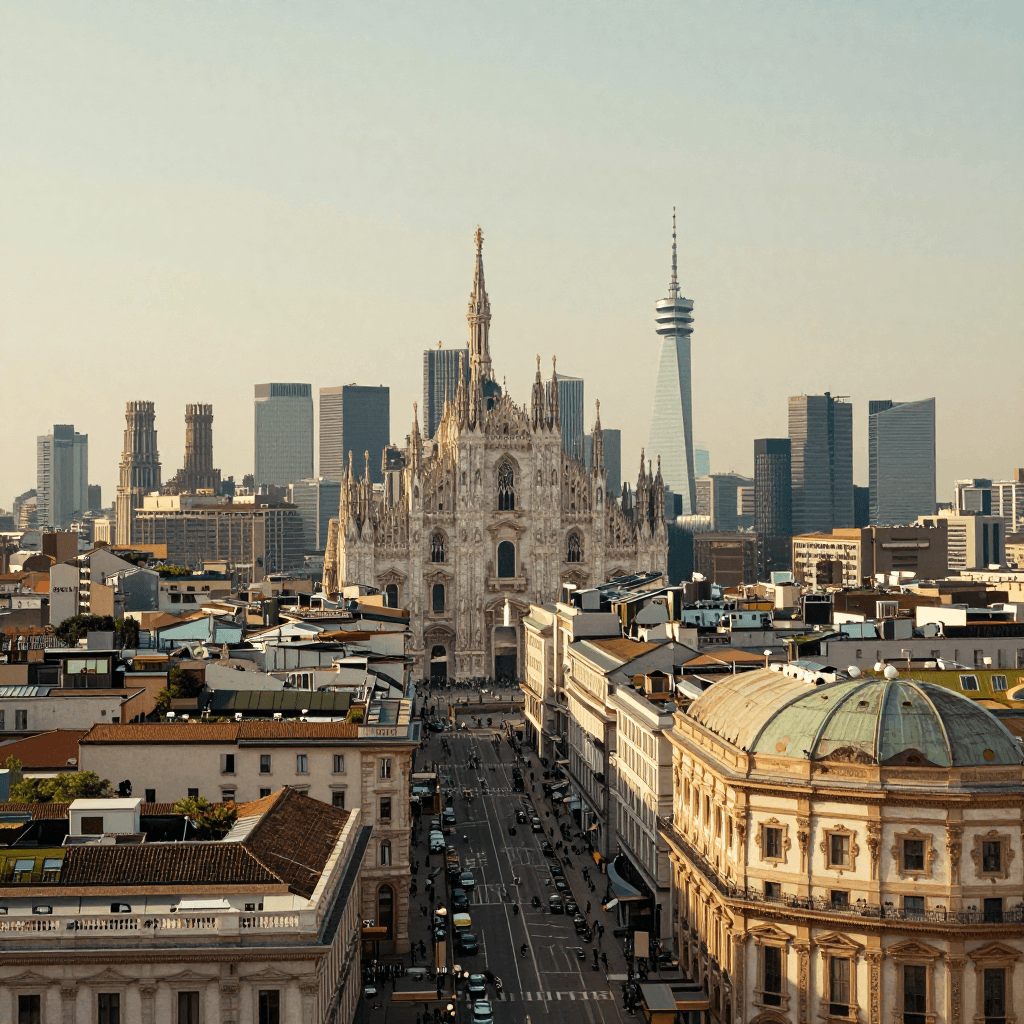
The Milan Perspective.
Discover the best spots, curated by locals.
7,370+ venues · Milano
Explore Milano
6 areas to discover
Featured Places
Standout places selected by our editorial team
Editor Pick
Autem
special occasionsfoodie dateschef interactions
€€€€
Editor Pick
Bere Buona Birra
after-work drinkscraft beer explorationcasual hangouts with friends
Five rotating taps, an English cask engine, and a fridge of Italian craft gems — bring your own food and settle in at Milan's most beloved neighborhood beer shop.
€€€€
Bu:r
special occasion dinnersfoodie experiencesromantic dates
€€€€
Cantina Piemontese
wine dinnersspecial occasionsquiet intimate meals
€€€€
Cantine Isola
afternoon wine tastinggroup gatheringscultural evenings
€€€€
Ciacco
afternoon gelato breakpost-dinner dessertadventurous eaters
Tiny, fearless, and obsessively crafted — Ciacco turns out gelato so good it makes pulled pork flavor sound like a reasonable life choice.
€€€€
Gallerie d'Italia
art loversrainy afternoonsolo museum visits
Three Neoclassical palazzi on Piazza della Scala packed with Italian masterpieces from Boccioni to Boldini — and you'll often have the rooms to yourself.
€€€€
Gong
date-nightspecial-occasion dinnersgroup celebrations
A Michelin-listed temple to haute Chinese cuisine where dim sum and black cod become fine-dining art on Corso Concordia.
€€€€
Recent Reviews
Editorial and community notes
C
City InsidersEditorial★ 4
Onest
Onest is one of those rare places that genuinely works from morning to night without feeling like it's trying too hard. You come for a flat white and a vegan pastry in the morning, and somehow you find yourself back at 7pm with a glass of natural wine and a plate of something good. The specialty coffee program is solid — they take their beans seriously — and the staff actually know what they're pouring, which isn't always a given in Milan. The food goes well beyond typical cafe fare. Breakfast gets a lot of love from regulars, with options for vegans and omnivores alike, and the kitchen keeps serving through the day so you're not stuck with a sad sandwich at 3pm. The wine list is described by reviewers as "an angry and competent selection" — which tells you everything about the personality of this place. It's curated with intention, presented professionally, but without the sniffiness you sometimes get from natural wine bars. The location on Via Gerolamo Turroni is part of the charm — it's a tiny alley that feels hidden from the busy city, and the space itself is calm and unpretentious. It can get busy, especially on weekends, and service can be slow when it's packed. But that's also the point: this is a place to slow down, not a grab-and-go counter. Come on a weekday morning if you want it quiet, or embrace the buzz on a Friday evening.
C
City InsidersEditorial★ 4
Bice
Walking into Bice feels like stepping into the Milan your grandparents might have told you about — and that's a compliment. Founded in 1926 by Beatrice "Bice" Ruggeri, this place has survived wars, fashion revolutions, and nearly a century of changing tastes, and it's still packing them in on Via Borgospesso, a quiet street just off the golden triangle. The dining room is classic old-school Italian: white tablecloths, tartan carpets, attentive waiters who've been there for decades. It's the kind of place where they take your coat at the door and you immediately feel like you're someone. The food is solid Tuscan-Milanese tradition. Go for the ribollita, the pasta e fagioli, or the risotto — these are the dishes Bice built its reputation on, and they still execute them well. TheFork reviewers rate it 9.5/10, and while you'll find the occasional Tripadvisor grumble about inconsistent pasta, the overwhelming majority of the 1,000+ Google reviews (4.4 stars) reflect a place that still delivers on its promise. Service is a highlight — reviewers consistently mention the warmth and professionalism of the staff, particularly the longtime waiters who treat regulars like family. Is it the most exciting food in Milan? No, and it's not trying to be. Bice is a classic, and classics have value. You come here for the history, the room, the sense that you're eating in a place that mattered before you arrived and will matter long after you leave. Prices are on the higher side — this is the fashion district after all — but for a long lunch that feels distinctly Milanese, it's worth it. Book ahead, especially for weekday lunches when the fashion crowd fills the room.
C
City InsidersEditorial★ 4
Pavè Milano
Pavè calls itself "the breakfast revolution," and honestly, it's not far off. This is the pasticceria that dragged Milan's morning pastry game into the 21st century — think perfectly laminated croissants, inventive viennoiserie, and modern cakes that look as good as they taste. The Via Lamarmora location is the original, and it still has the most soul: a contemporary, informal space where you order at the counter and everything comes out fresh. The cornetto alla crema is delicate without being cloying, and the espresso is properly pulled. Beyond breakfast, Pavè has expanded its offering to include artisanal bread, torte moderne, and seasonal experiments that keep regulars coming back. The caffè leccese — espresso with almond milk over ice — is a standout on warmer days. With over 1,700 reviews on Tripadvisor and a solid 4.1 rating, this isn't a secret anymore, but the quality justifies the crowds. Their sibling brand @pavegelato handles the gelato side of things. The main downside? It gets busy, especially on weekends, and seating is limited. This is more of a grab-and-go or stand-at-the-counter situation than a lingering brunch spot. Go early if you want the full selection — the best pastries sell out by mid-morning.
C
City InsidersEditorial★ 5
Pirelli HangarBicocca
Let's be clear: HangarBicocca is not centrally located, and that's part of what makes it special. You take the train to Bignami or a long metro-and-tram combo to reach this converted Pirelli factory in the Bicocca district, but the moment you step into the vast nave — 30,000 square meters of raw industrial space — you understand why this is one of Europe's most exciting contemporary art venues. The scale is genuinely jaw-dropping, and the curators use every cubic meter of it. The permanent Anselm Kiefer installation, "The Seven Heavenly Palaces," is the anchor: seven massive lead-and-concrete towers that you walk through and around, heavy with mythological and historical weight. It's been here since 2004 and remains one of the most powerful permanent installations in any European museum. The temporary exhibitions rotate every few months and consistently feature major international artists — recent shows have included Nan Goldin, Carsten Nicolai, and Thomas Hirschhorn — often with site-specific commissions that take full advantage of the hangar's brutalist proportions. Here's the best part: admission is completely free. No tickets, no timed entry, no queues. You just walk in. There's a small bookshop and a café in the entrance area. Plan for at least two hours, more if you're the type who reads every wall text. The neighborhood around it is unremarkable — this is a destination, not a stumble-upon — so pair it with lunch somewhere in the Bicocca area or head back toward the center afterward.